

Imagine walking into a space that feels like it was made just for you. Every corner, every detail, whispers your story. That’s the magic of finding the perfect home for you.
But let’s be honest, in 2026, it takes more than scrolling through endless property listings. You need to know what makes a home for you, use cutting-edge tools, and trust your choices.
This guide is your colourful roadmap. From defining your dream home to mastering the market, evaluating properties, securing finance, and finally, making that house your own—get ready to make bold, brilliant moves. Your dream home for you is closer than you think.
Understanding What "Perfect Home" Means to You
What does the perfect home for you really look like? Spoiler: it’s not just a Pinterest board or the house next door. It’s personal, emotional, and absolutely unique. Before you get swept up by shiny listings and snazzy floor plans, let’s break down what actually matters.

Defining Your Priorities and Lifestyle
Start by looking at your daily life. Are you a morning coffee-on-the-balcony type or a night owl who needs a quiet reading nook? Think about work commutes, school runs, and the little rituals that make your days flow.
Write a list of what you can’t live without. Maybe it’s a spacious kitchen, or a dog-friendly garden. Then, jot down the nice-to-haves. Can you compromise on a bath for a bigger lounge? Consider future changes—maybe a growing family, or parents moving in. Remember, the heart of a home for you is how it fits your life, not just your stuff. Get real about what matters and let the rest go.
Emotional and Psychological Factors
Let’s get honest: a home for you is more than bricks and mortar. It’s a place where you feel safe, seen, and truly yourself. That feeling when you walk through the door and your shoulders finally drop? That’s gold.
Our experiences shape what we crave. Maybe you want open space because you grew up in a cramped flat. Or you love a bustling street because silence makes you twitchy. Real stories on Quora prove it’s the vibe, not just the postcode, that counts. If you’re curious about how your design choices affect your mood, check out Why Fearless Interiors Are the Key to Feeling Happier at Home. The right home for you will always be the one that feels right—emotionally, not just logically.
Space, Style, and Functionality
Now, let’s talk space. How much do you really need? If you’re working from home, maybe an office is non-negotiable. Prefer open-plan living or do you need rooms with doors you can actually close?
Think about natural light, storage for your ever-growing shoe collection, and flexible spaces for hobbies or guests. The 2026 trend? Multi-use rooms and layouts that adapt as you do. Pick a style that makes you smile every morning. The home for you should make daily life easier, not harder.
Location and Community Fit
City buzz, peaceful suburbia, or rural calm—where do you thrive? Each has its perks. Cities bring culture and convenience. Suburbs? More space and maybe friendlier neighbours. Rural areas? Tranquillity and fresh air.
Research crime rates, walkability, and the local vibe. Are there parks nearby? Good schools? A home for you should fit your lifestyle outside the front door too. In 2026, hot spots are shifting, so dig into trending areas and make sure your new postcode matches your personality.
Budget and Future Value
Let’s be blunt—falling in love with a palace is pointless if your wallet screams in protest. Set a budget that’s realistic for now and the future. Don’t forget sneaky extras like taxes, maintenance, and utility bills.
Think long-term. Will this home for you appreciate in value? Could you rent it out if life throws you a curveball? Use online tools to crunch the numbers and avoid nasty surprises. A smart investment today means more freedom tomorrow.
Navigating the 2026 Real Estate Market
Ready to dive into the wild, wonderful world of finding the home for you in 2026? The market has changed, darling, and so have the rules. Whether you want a sleek city pad or a countryside retreat, understanding what’s hot (and what’s not) will help you find a place that actually fits your life. Let’s break down the latest trends, the smartest tools, and the must-know strategies that will make the journey to the home for you a whole lot less stressful, and a lot more fun.

Key Trends and Market Insights
The 2026 real estate market is more colourful than ever. Smart homes aren’t just a luxury—they’re expected. Sustainability is the new black, with buyers demanding energy-efficient features and green certifications. Thanks to remote work, location flexibility is huge, letting you chase your dream neighbourhood, not just your job.
- Smart layouts and multi-use rooms are in.
- Digital-first property marketing rules, making international buyers more active than ever.
- Demand for tech-enabled, eco-friendly homes is through the roof.
Want the full scoop on where the market’s headed? Check out this comprehensive industry report on emerging real estate trends in 2026 for insider insights. Staying ahead of these trends will help you zero in on the home for you.
Choosing the Right Home Type
Choosing the home for you means picking a style that matches your real life, not someone else’s Instagram. Houses, condos, townhomes, apartments—each has its own vibe.
| Home Type | Pros | Cons |
|---|---|---|
| House | More space, garden, privacy | More upkeep, higher cost |
| Condo | Low maintenance, amenities | Fees, less control |
| Townhome | Balance of space and ease | Shared walls, some fees |
| Apartment | Flexibility, often affordable | Less space, limited ownership |
Co-living and modular homes are on the rise, offering flexibility and community. Think about your lifestyle, family plans, and budget when deciding which home for you actually makes sense.
Researching Neighborhoods and Regions
You wouldn’t buy shoes without trying them on, right? The same goes for picking a neighbourhood. Use online tools to compare crime rates, school scores, and future development plans. Local forums and community groups are goldmines for gossip (the useful kind).
- Check walkability and transport links.
- Look at future growth—will your home for you still be in a great spot in five years?
- Explore comprehensive property search databases for data-driven decisions.
Shortlist areas that fit your daily life, not just your wishlist. The right location can make or break the home for you.
Working with Real Estate Professionals
A savvy agent isn’t just a middleman—they’re your personal advocate, deal-wrangler, and paperwork ninja. The right pro can sniff out the home for you that others miss, negotiate like a boss, and keep you sane during the process.
- Vet agents for local expertise and a style that matches yours.
- Ask about their track record and communication style.
- Let them handle the tricky stuff, so you can focus on the fun bits.
A good agent makes finding the home for you less stressful and way more successful.
Leveraging Technology in Your Search
Technology is your secret weapon in 2026. Virtual tours mean you can “walk through” homes from your sofa (pyjamas optional). AI-powered recommendations bring listings that match your taste straight to your phone.
- Set up real-time alerts for new listings.
- Use smart search filters to find the home for you faster.
- Digital listings often include 3D tours and instant messaging with agents.
Let tech do the heavy lifting. The right apps will help you find the home for you before anyone else even knows it’s on the market.
Timing Your Home Purchase
Timing isn’t just for comedians. The right moment can save you thousands and snag you the home for you before the competition. Study market cycles and seasonal trends—spring and autumn can be hot, but local quirks matter.
- First-time buyer? Look for incentives and less competitive seasons.
- Investor? Watch for dips and off-peak bargains.
- Always have a backup plan in case the home for you slips through your fingers.
Be bold, be smart, and don’t wait for “perfect.” The home for you is out there, waiting for someone who knows how to play the 2026 game.
Step-by-Step Process to Finding Your Perfect Home
Finding the home for you is not some mystical quest, it’s a series of bold, rebellious steps. Ready to flip the script on dull house hunting? Let’s break down the process so you can strut into your perfect home for you, not just any old four walls.

Step 1: Preparing Financially
Let’s not sugarcoat it—money talks. Before you even peek at listings, get your finances in order. Check your credit score. If it’s looking a bit tired, give it a caffeine boost. Gather your payslips, bank statements, and ID. You’ll need them for mortgage pre-approval, which is your golden ticket to the home for you.
Set a rock-solid budget. Don’t just dream big, dream smart. Factor in not just the price tag but all the sneaky extras: legal fees, moving costs, and that celebratory pizza. Stick to your budget like glue, because the home for you shouldn’t leave you eating beans on toast for the next decade.
Step 2: Creating Your Home Wishlist
Now for the fun bit—imagine the home for you in all its glory. Grab a notebook or go wild with a Pinterest board. List your must-haves (hello, garden office) and your nice-to-haves (heated towel rail, anyone?). Prioritise what matters most.
Not sure where to start? Check out 10 Ways to Make Your Home Pop with Personality for inspiration that’ll help you shape a space that screams “you.” This is all about clarity and colour, so don’t be shy—put your personality front and centre in the home for you.
Step 3: Starting Your Search
It’s time to get nosy. Browse online listings, yes, but don’t ignore the magic of open houses and word-of-mouth tips. Use search filters to narrow down to the home for you, not just what’s trending.
Set up alerts for new properties. Chat with locals (they know the gossip). Sometimes, the best homes never hit the big sites. Be curious, be cheeky, and don’t settle for the first beige box you see. The home for you is out there—go hunt it down.
Step 4: Touring and Evaluating Homes
Step inside, take a breath, and channel your inner detective. Look at the bones: structure, plumbing, electrics. Don’t be dazzled by a fresh coat of paint if the roof is wobbling.
Bring a checklist and snap photos. Compare spaces, jot down pros and cons. If you spot a red flag, don’t ignore it. The home for you should feel right, not just look right. Trust your gut—if something feels off, it probably is.
Step 5: Making an Offer and Negotiating
Ready to pounce? Craft an offer that’s competitive but not desperate. Use recent sales data as your secret weapon. Negotiate on price, contingencies, and repairs. Stay cool, flexible, and always have a backup plan.
Remember, it’s a dance, not a duel. Don’t let nerves push you beyond your budget. The home for you is worth the wait, so don’t be afraid to walk away if the deal goes sour. Keep your eye on the prize and your poker face strong.
Step 6: Closing the Deal
The finish line is in sight. Review all the paperwork—yes, it’s boring, but it’s vital. Book a final walkthrough to check nothing’s changed. Set up your utilities and plan your move like a pro.
Celebrate this win. The home for you is no longer a dream, it’s your new reality. Pour a glass of something bubbly, and toast to bold choices and a colourful life in your perfect space.
Evaluating Properties: Beyond the Basics
Finding the right home for you means looking past the obvious and digging into details that can make or break your decision. Forget beige checklists. Let’s get cheeky, clever, and a bit rebellious as we uncover what really matters when sizing up your future pad.
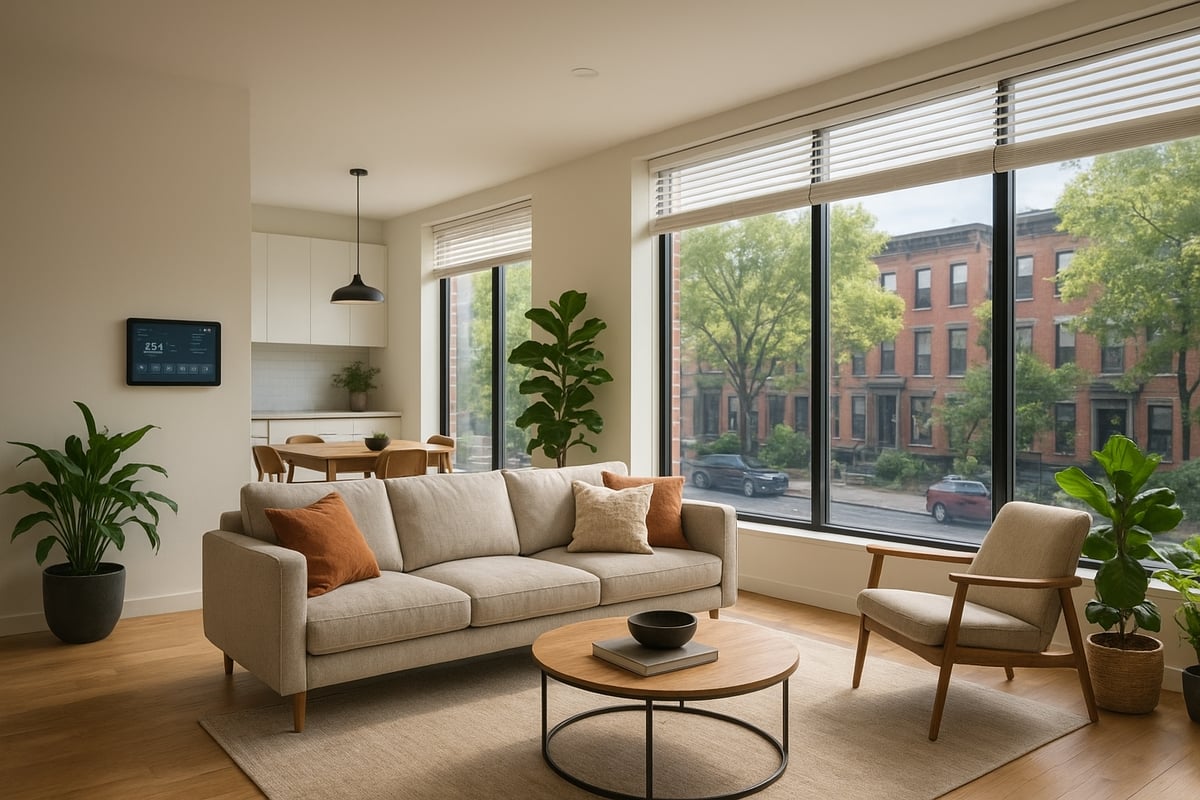
Assessing Condition and Potential
First up, don’t let shiny countertops blind you to dodgy plumbing. When evaluating a home for you, always book a professional inspection. Get the lowdown on the structure, roof, plumbing, and electrics.
Cracks in the walls, a leaky roof, or ancient wiring? These are warning signs that could turn your dream into a money pit.
Estimate renovation costs before you fall in love. Some fixer-uppers are worth the sweat, but only if the potential matches your ambition (and bank balance).
A smart move? Use free property valuation tools to suss out if the price fits the true condition, ensuring the home for you isn’t just a pretty face.
Energy Efficiency and Smart Features
If you want a home for you that’s future-proof, sustainability is non-negotiable. Look for green certifications and top-notch energy ratings.
Check for insulation, double-glazed windows, and efficient heating systems. In 2026, smart home tech is everywhere: think security cameras, app-controlled lights, and voice-activated assistants.
Trendy extras? Solar panels, EV charging points, and eco-friendly materials. These not only save you cash but make your home for you a planet-friendly haven.
A smart, sustainable home for you is more than a trend; it’s a lifestyle upgrade.
Legal and Regulatory Considerations
Now for the not-so-sexy bit. Before you declare a home for you “the one,” dig into the legal side. Investigate zoning laws, any Homeowners Association (HOA) rules, and local ordinances.
Confirm the property title is squeaky clean and that all disclosures are on the table.
Some areas have quirky restrictions, so ask your agent to flag anything odd. Competitors often highlight legal hurdles in sales, so take a page from their book and never skip the paperwork.
Peace of mind is priceless when you’re making a home for you.
Investment and Resale Factors
You want a home for you that’s not just perfect now, but also a smart investment. Analyze local market appreciation, and consider future rental income or tax perks.
Here’s a quick table to sum up what to watch:
| Factor | Why It Matters | Quick Tip |
|---|---|---|
| Appreciation | Build wealth over time | Check historic price trends |
| Rental Income | Extra cash or backup plan | Compare local rental rates |
| Tax Implications | Save (or lose) money yearly | Consult a tax advisor |
Use profitability calculators to see if the home for you stacks up long-term. No one wants buyer’s remorse, right?
Personalization and Future Flexibility
A real home for you adapts as you do. Whether you’re planning a nursery, a home office, or a secret disco room, check if the space can flex.
Can you knock down a wall? Is there room to grow? Look for places that welcome your wildest ideas, from bold paint to creative layouts.
If you’re stuck on colour or design choices, check out How to Choose the Right Colour Scheme for Any Room for inspiration.
Make sure the home for you lets your personality sing, not whisper.
Making Your New House a Home
Moving into a new place is more than just unloading boxes. It’s about turning those empty walls and echoing rooms into a true home for you. The journey doesn’t stop at getting the keys. It’s about creating a space that celebrates who you are, fits your life, and welcomes you every single day.
Settling In: Practical Steps
Let’s face it, moving can be a circus. But with a little planning, you can tame the chaos and make your home for you right from the start.
First, create a move-in checklist. Include these essentials:
- Change your address everywhere (no, your mum’s not doing it for you).
- Set up utilities, internet, and all the boring but vital services.
- Unpack by zone—kitchen first, then bedroom, then everything else.
Don’t forget to celebrate the first night—even if it’s just pizza on the floor. The small rituals make your home for you feel special from day one.
Designing for Comfort and Personality
Now for the fun bit—turning that blank canvas into a masterpiece that screams “this is the home for you.” Start by picking colours and décor that make you grin every time you walk in. Don’t stress if you’re stuck choosing between teal or terracotta—Stuck on Interior Design Choices? Here's How to Simplify Your Decisions is packed with tips to help you style with confidence.
Mix old with new, add plants, and let your personality run riot. 2026 trends like biophilic design and maximalism are all about breaking rules, so embrace what feels right for your home for you.
Building Community Connections
A house is just four walls until you fill it with laughter and mates. Building a community is key to making your home for you feel like it belongs.
Introduce yourself to neighbours (yes, it’s awkward, but worth it). Join local groups or clubs—book clubs, running crews, or that cheese appreciation society you secretly want to try. Attend community events and say yes to invites.
The more you connect, the more your home for you will feel like a real sanctuary. After all, it’s people who bring a place to life.
Enhancing Security and Peace of Mind
A home for you should always feel safe. Start by installing smart security systems—think video doorbells, alarms, and clever sensors. Make sure your insurance is up-to-date and covers everything important in 2026, from tech to treasured heirlooms.
Don’t forget these peace-of-mind basics:
- Check smoke and carbon monoxide detectors.
- Store emergency contacts somewhere obvious.
- Make a plan for power cuts or the odd leaky roof.
With these steps, your home for you will be a fortress of calm in a busy world.
Planning for the Future
Your home for you isn’t just for now, it’s for all the chapters ahead. Build a maintenance schedule to avoid nasty surprises (future you will thank you). Set aside a budget for upgrades and spontaneous projects—because you never know when you’ll want to repaint the kitchen neon pink.
Think about how your needs might change. Is remote work in your future? Planning a family? Retirement dreams? The more you plan, the more your home for you will grow with you, not against you.
Frequently Asked Questions About Finding the Perfect Home
Buying a home for you in 2026? You probably have questions. Good news—I’ve got answers, served with a side of honesty and a dash of sass. Let’s tackle the big stuff that keeps buyers (and renters) up at night.
What should I look for in a home inspection?
When you’re hunting for a home for you, don’t let shiny countertops distract you from the bones of the place. Insist on a proper inspection that covers:
- Foundation cracks and damp spots
- Roof age and leaks
- Plumbing and electrical quirks
- HVAC hiccups
- Signs of pests or mould
If you spot big issues, don’t be shy—walk away. Better to lose the house than buy a money pit. Remember, a thorough home inspection is your secret weapon for finding the right home for you, not just the prettiest one.
How do I choose between buying and renting?
It’s the age-old battle: buy or rent? The answer depends on what feels like home for you and your future plans. Here’s a quick breakdown:
| Factor | Buying a Home | Renting |
|---|---|---|
| Upfront Costs | High (deposit, fees) | Low (deposit) |
| Flexibility | Low | High |
| Maintenance | Your responsibility | Landlord’s job |
| Long-term Value | Potential growth | None |
If you crave stability and want to build equity, buying could be the right home for you. But if you love flexibility or hate repairs, renting might win. The 2026 market is shifting, so check out Zillow's 2026 Housing Market Predictions for the latest buyer and renter trends.
What are the hidden costs of homeownership?
Spoiler alert: owning a home for you comes with more than just a mortgage. Hidden costs can sneak up like a cat on a countertop. Watch out for:
- Property taxes and insurance
- HOA or community fees
- Regular maintenance and repairs
- Emergency fixes (hello, leaky roof)
- Utilities that are higher than you expect
According to U.S. Home Price Forecasts for 2026, average annual ownership costs are set to rise, so budget with a rebel’s caution. Always have an emergency fund—because the home for you should never become a financial trap.
How can I make my home search more efficient?
Let’s be real: scrolling endlessly isn’t the best way to find the home for you. Instead, try these hacks:
- Set up alerts on property apps
- Use search filters for must-haves
- Tour homes virtually before visiting
- Ask your agent for off-market gems
Stay focused and set a timeline. The right home for you won’t magically appear, but with smart tools (and a bit of cheek), you’ll spot it faster than your coffee cools.
What financing options are available in 2026?
Financing a home for you in 2026 is less scary when you know your options. Here’s what’s hot:
- Traditional fixed and adjustable-rate mortgages
- Government-backed loans for first-timers
- Shared equity and green loans for eco-warriors
Mortgage rates are expected to stay modest, so shop around and compare. For expert forecasts, peek at U.S. Home Price Forecasts for 2026. Remember, understanding your choices is power—choose what makes sense for the home for you.
How do I ensure my new home fits my lifestyle?
Finding a home for you is about more than bricks and mortar. Make sure your new place suits your routines, quirks, and future goals:
- Prioritise location, layout, and amenities
- Think about customisation and renovations
- Consider the vibe of the neighbourhood
The home for you should feel like a tailored jacket—snug in all the right places, with room to grow. Trust your gut and don’t settle for less than a perfect fit.
You’ve made it through the ultimate home hunting guide for 2026 and, let’s be honest, you deserve a medal (or at least a glass of something bubbly). Now, before you let your dreams get wallpapered in beige, remember: your new space is a blank canvas for actual joy. Why settle for the same old neutral when you can fill your home with rebellion, colour, and unapologetic personality? If you’re ready to ditch dull and make your next move the boldest yet, I’ve got just the thing—Because your home deserves more joy (and less neutral).
Go on. Make your home as joyful as you are.
0 comments